The Sacred Legacy
Apostles & Saints of Türkiye
More apostles, disciples, and early Christian saints walked the lands of modern Türkiye than any other country outside the Holy Land. This is their story.
“How beautiful on the mountains are the feet of those who bring good news, who proclaim peace, who bring good tidings.”
— ISAIAH 52:7
Why Türkiye?
Türkiye is not simply a country with biblical connections — it is the heartland of the early Church. Paul was born here. John lived and died here. Peter led the first Christian community here. Philip was martyred and buried here. The Nicene Creed was forged here. The Seven Churches of Revelation are all here.
Below you will find every major apostle, disciple, and early Christian saint whose footsteps marked these sacred lands.
c. 5 AD – c. 64 AD
The Apostle Paul (Saul of Tarsus)
Apostle to the Gentiles
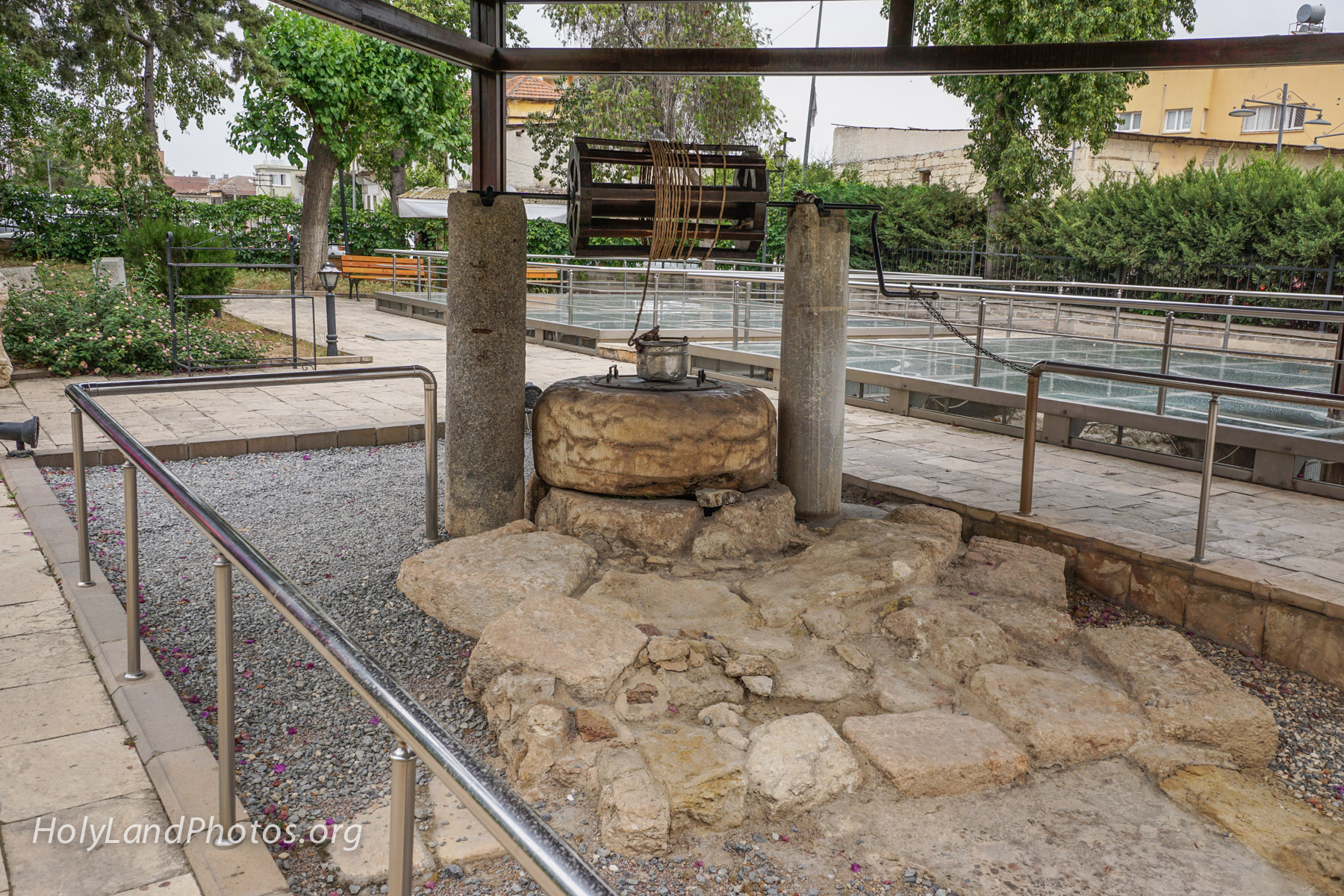
Paul was born in Tarsus, Cilicia (modern-day southern Türkiye) and is the most prominent apostle connected to these lands. After his dramatic conversion on the road to Damascus, Paul launched three missionary journeys that criss-crossed Anatolia. He established churches in Antioch, Iconium, Lystra, Derbe, Ephesus, and many other cities. He spent three years in Ephesus alone. Paul wrote many of his epistles — Galatians, Ephesians, Colossians, Philemon — to communities in what is now Türkiye. Nearly half of the New Testament was written by Paul, and most of it relates to places in modern Türkiye. He is without question the apostle most deeply woven into the fabric of this land.
"I am a Jew, from Tarsus in Cilicia, a citizen of no ordinary city." — Acts 21:39
Significance: Born in Türkiye. Conducted all three missionary journeys through Türkiye. Established numerous churches. Wrote epistles to Turkish communities.
c. 6 AD – c. 100 AD
The Apostle John
The Beloved Disciple
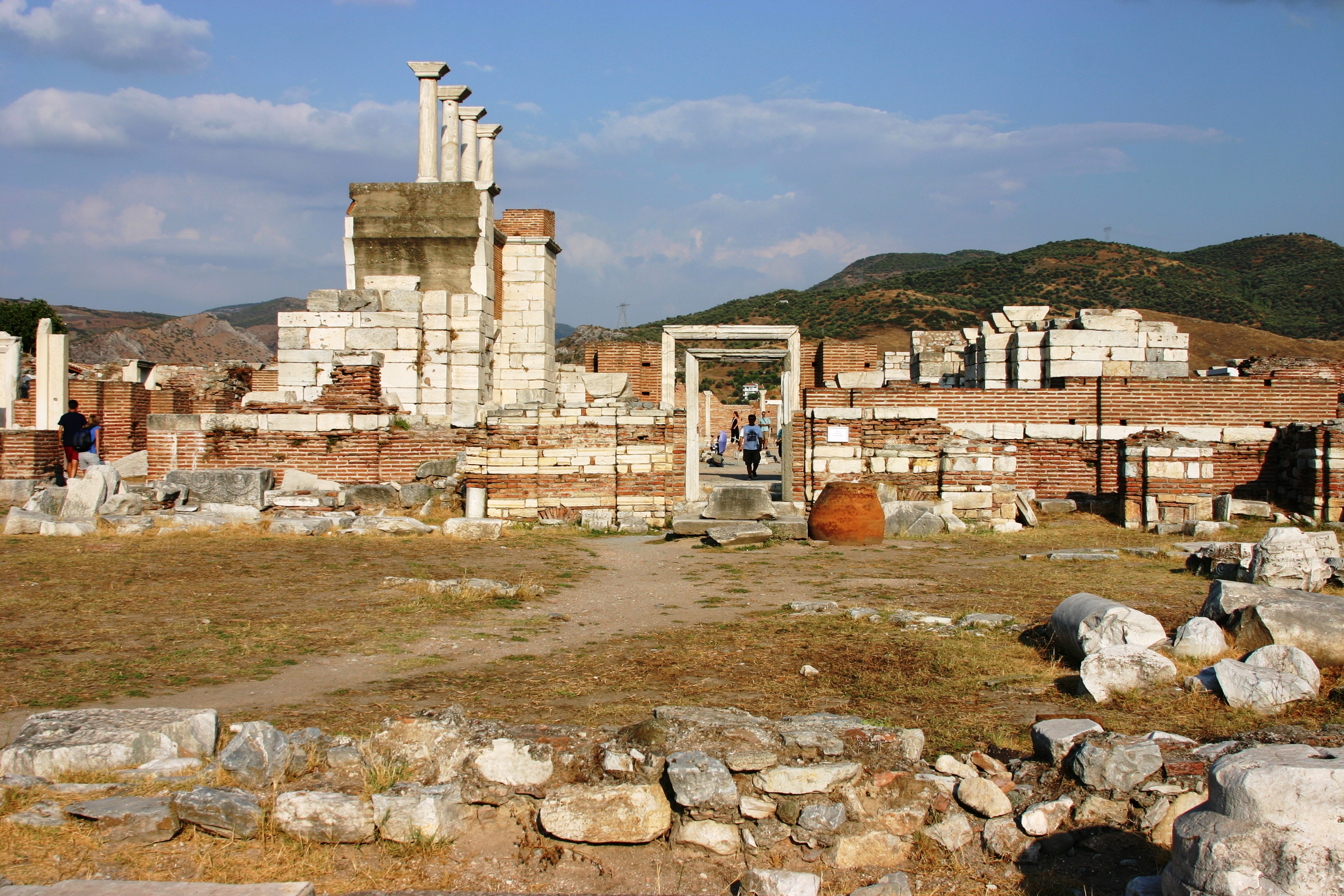
John, the beloved disciple of Jesus, spent his final decades in Ephesus, Türkiye. According to early Church tradition, John brought the Virgin Mary to Ephesus for her safety after the Crucifixion, fulfilling Jesus' words from the cross: "Behold your mother" (John 19:27). From Ephesus, John wrote his Gospel, three epistles, and — while exiled to the nearby island of Patmos — the Book of Revelation, which addresses seven churches all located in western Türkiye. The magnificent Basilica of St. John in Selçuk (near Ephesus) was built over his tomb by Emperor Justinian in the 6th century. John's legacy in Türkiye is immense — he is the bridge between the earthly ministry of Jesus and the early Church in Asia Minor.
"To the angel of the church in Ephesus write..." — Revelation 2:1
Significance: Lived and died in Ephesus. Brought the Virgin Mary to Türkiye. Wrote the Book of Revelation addressing seven Turkish churches.
c. 1 AD – c. 64 AD
The Apostle Peter (Simon Peter)
The Rock
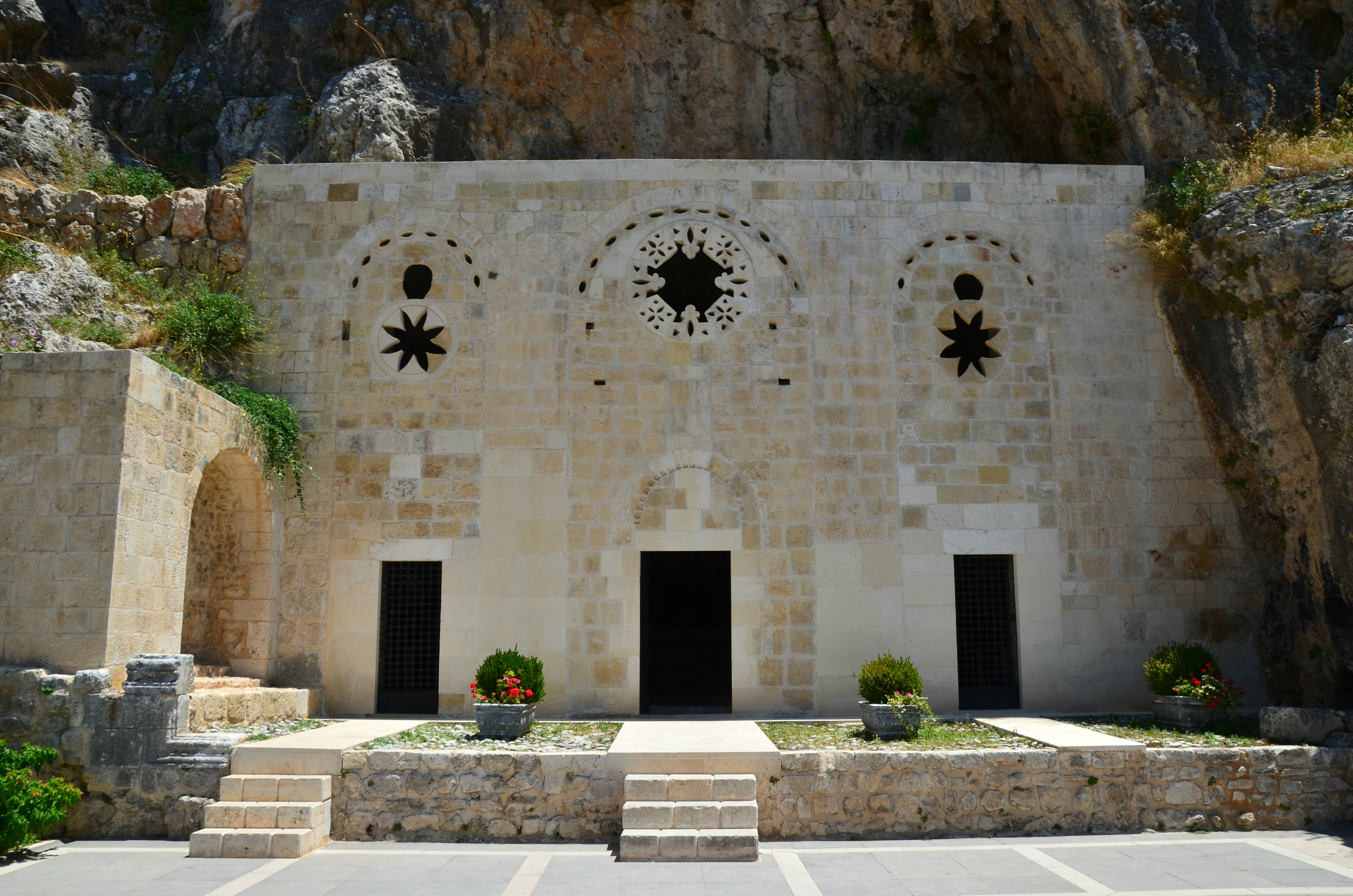
Peter, the leader of the twelve apostles, played a foundational role in the early Church at Antioch (Antakya), one of the most important cities in early Christianity. According to tradition, Peter served as the first bishop of Antioch before going to Rome. The Church of St. Peter (St. Pierre Grotto) in Antakya — carved into the rock of Mount Stauris — is considered one of the oldest churches in the world. It was here that Peter helped establish the community where believers were first called "Christians" (Acts 11:26). Peter's connection to Antioch is so fundamental that the city became one of the five great patriarchates of early Christianity.
"The disciples were called Christians first at Antioch." — Acts 11:26
Significance: First bishop of Antioch. Helped establish the community where believers were first called Christians.
c. 5 AD – c. 80 AD
The Apostle Philip
Apostle & Evangelist
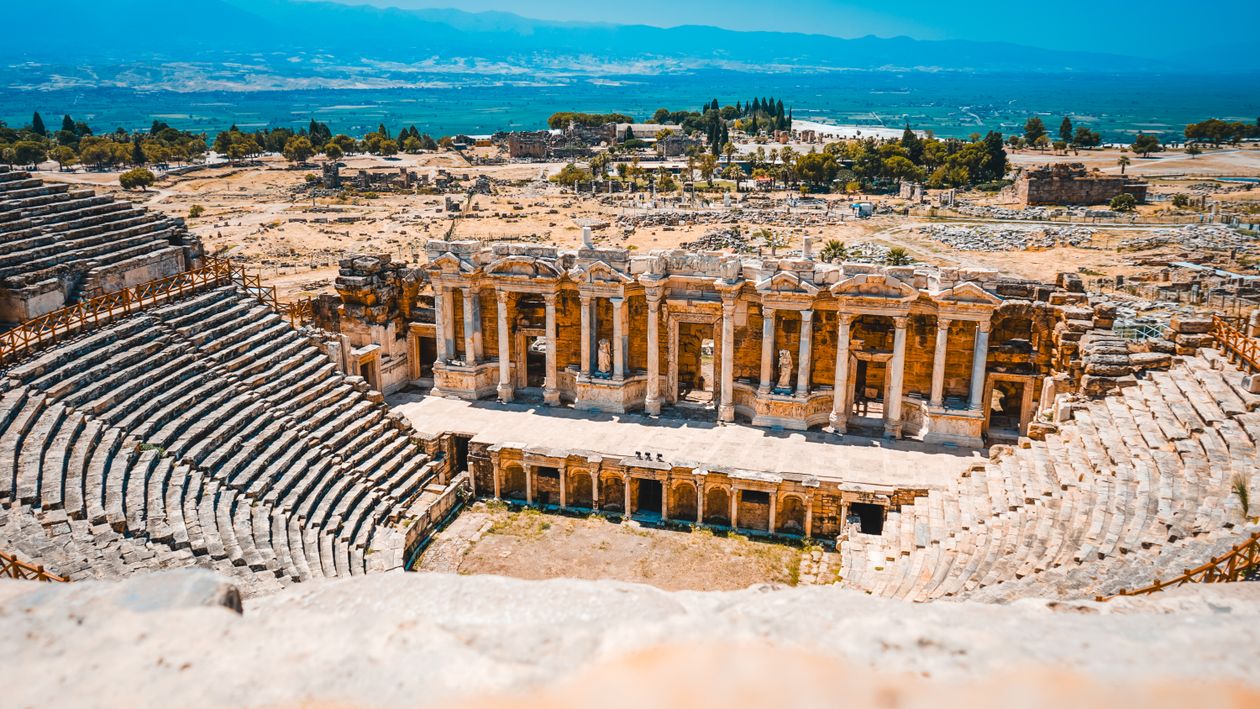
Philip, one of the original twelve apostles, spent his later years preaching in the region of Phrygia in Asia Minor and ultimately settled in Hierapolis (modern-day Pamukkale), where he was martyred around 80 AD. The Martyrium of St. Philip — a spectacular octagonal structure on a hilltop above the ancient city — was built to honour his martyrdom and has been a pilgrimage site since the 5th century. Recent archaeological excavations have uncovered what is believed to be Philip's tomb. Hierapolis, famous for its stunning white travertine terraces, was an important early Christian centre and one of the cities mentioned alongside Colossae and Laodicea (Colossians 4:13).
"Philip found Nathanael and told him, 'We have found the one Moses wrote about.'" — John 1:45
Significance: Martyred and buried in Hierapolis. His tomb was recently discovered. Hierapolis was a major early Christian centre.
c. 1st century AD
Barnabas
Son of Encouragement
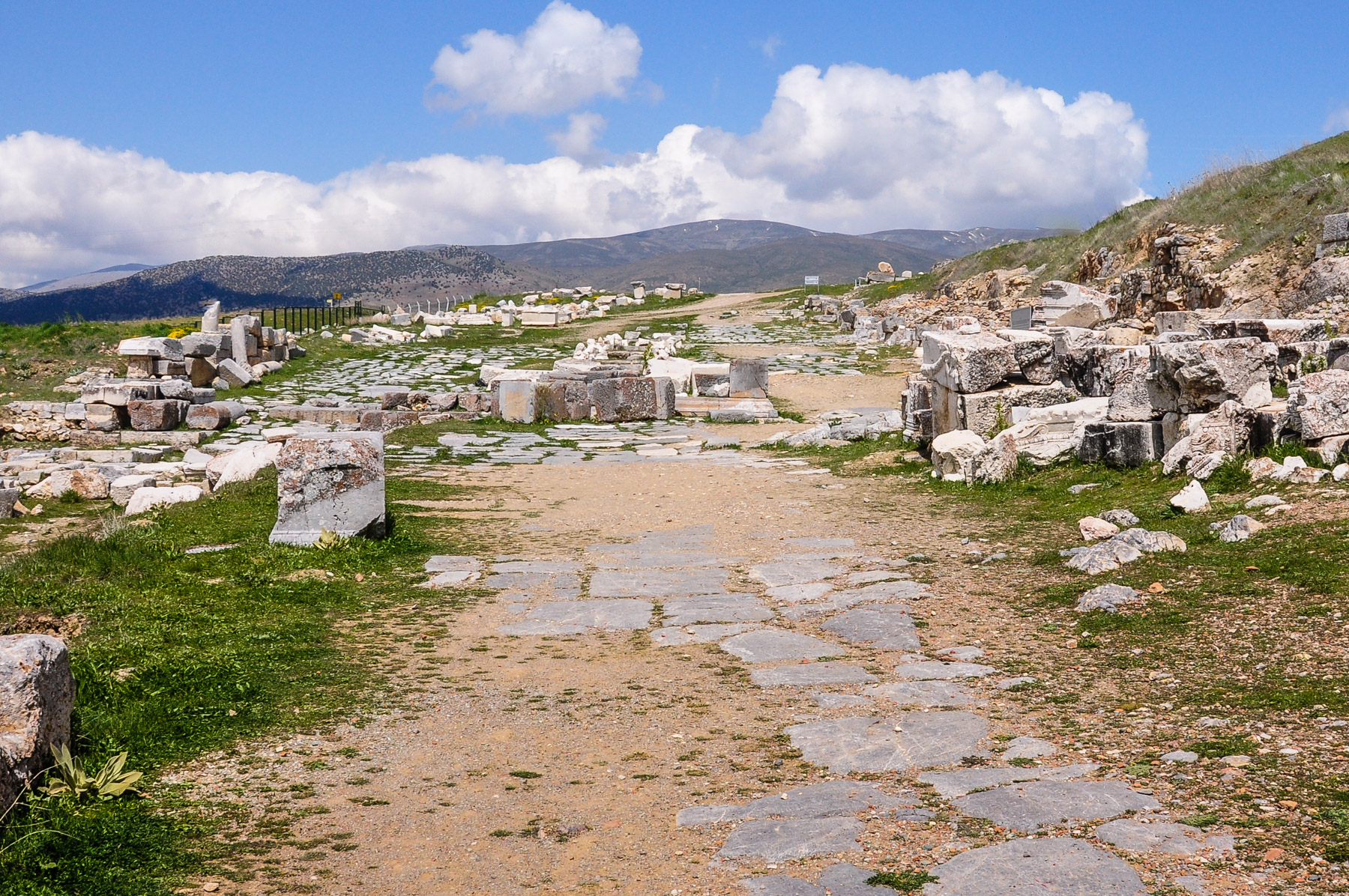
Barnabas was Paul's closest companion on his first missionary journey, which began from the church in Antioch (Antakya). Together, they traveled through Seleucia, then across southern Anatolia to Pisidian Antioch, Iconium, Lystra, and Derbe — establishing churches and converting Gentiles along the way. At Lystra, the locals even mistook Barnabas for Zeus due to his imposing stature. It was Barnabas who first introduced Paul to the apostles in Jerusalem and who vouched for his conversion. The "Barnabas Route" through central Türkiye follows their first missionary journey and is one of the most significant Christian pilgrimage trails in the world.
"The Holy Spirit said, 'Set apart for me Barnabas and Saul for the work to which I have called them.'" — Acts 13:2
Significance: Traveled extensively through Türkiye with Paul. Co-founded churches across Anatolia. Key figure in spreading Christianity to Gentiles.
c. 5 AD – c. 60 AD
The Apostle Andrew
The First-Called
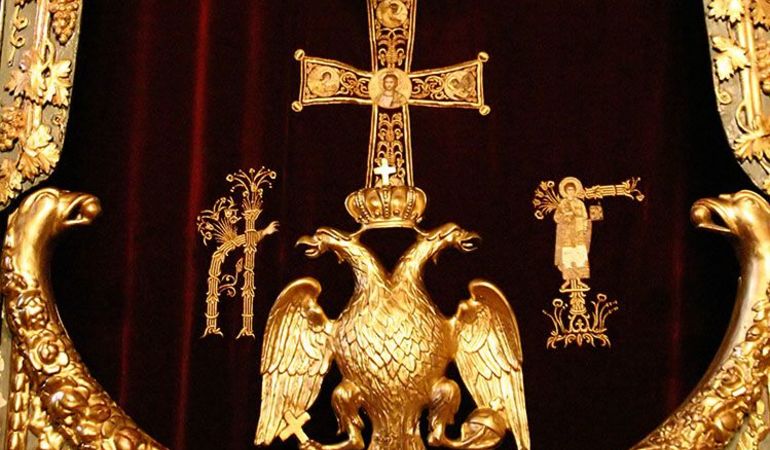
Andrew, Peter's brother and the first disciple called by Jesus, is traditionally considered the founder of the Church of Byzantium — later Constantinople, now Istanbul. This tradition is the foundation upon which the Ecumenical Patriarchate of Constantinople, the spiritual centre of Eastern Orthodox Christianity, claims its apostolic succession. The Patriarchate, located in the Fener (Phanar) district of Istanbul, has been the seat of the Ecumenical Patriarch for centuries. Andrew is thus the apostolic link connecting Istanbul to the earliest days of Christianity.
"Andrew, Simon Peter's brother, was one of the two who heard what John had said and followed Jesus." — John 1:40
Significance: Founder of the Church of Byzantium (Istanbul). The Ecumenical Patriarchate traces its apostolic lineage to Andrew.
c. 17 AD – c. 97 AD
Timothy
Paul's Spiritual Son & Bishop of Ephesus
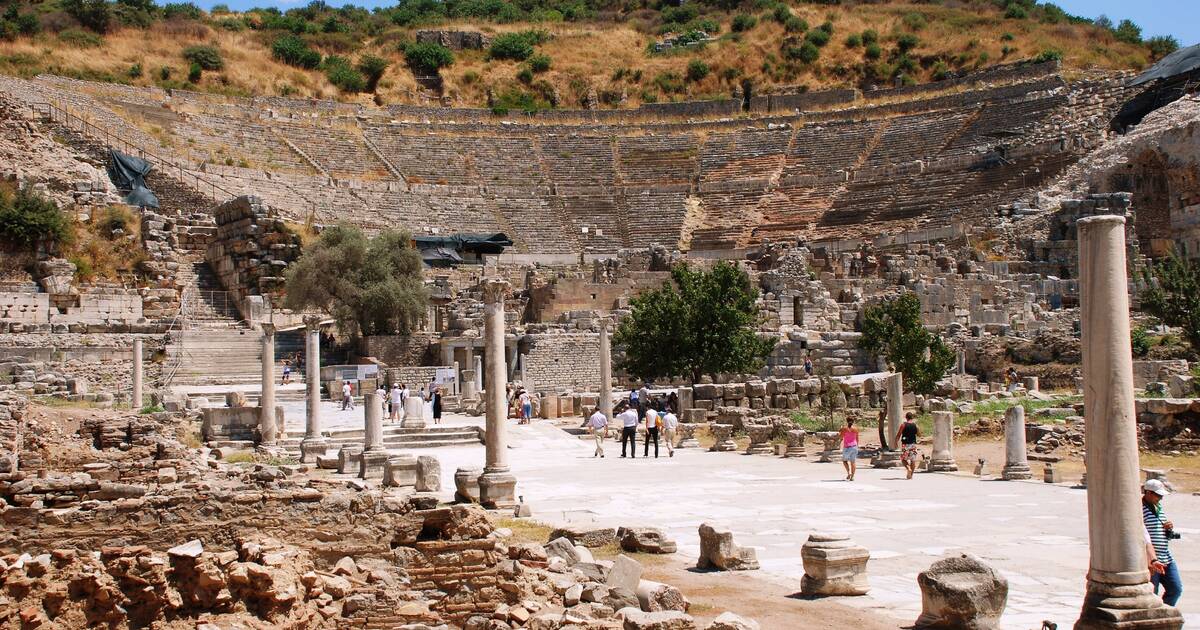
Timothy was born in Lystra (near modern Konya) to a Jewish mother and Greek father. Paul met him during his second visit to the region and Timothy became Paul's most devoted companion and spiritual son. Paul wrote two of his epistles — 1 Timothy and 2 Timothy — to him. According to early Church tradition, Timothy served as the first bishop of Ephesus, where he was eventually martyred. Timothy represents the next generation of Christian leadership that took root in Türkiye's soil — a young disciple mentored by the great apostle, who carried the Gospel forward.
"To Timothy, my true son in the faith: Grace, mercy and peace from God the Father." — 1 Timothy 1:2
Significance: Born in Lystra, Türkiye. First Bishop of Ephesus. Recipient of two Pauline epistles.
c. 1st century AD
Luke the Evangelist
Physician & Gospel Writer
Luke, the author of the Gospel of Luke and the Acts of the Apostles, is traditionally believed to have been born in Antioch (Antakya), Türkiye. As a physician and companion of Paul, Luke traveled extensively through Anatolia and documented the early Church's expansion — much of which took place in what is now Türkiye. The Book of Acts, often called the "Acts of the Apostles," is essentially a travel chronicle through Turkish cities: Antioch, Ephesus, Troas, Miletus, Myra, and many others. Luke's meticulous historical writing provides the primary account of how Christianity spread through these sacred lands.
"Our dear friend Luke, the doctor, and Demas send greetings." — Colossians 4:14
Significance: Traditionally born in Antioch. Documented the spread of Christianity through Türkiye in the Book of Acts.
c. 270 AD – 343 AD
St. Nicholas of Myra
Bishop of Myra — The Original Santa Claus
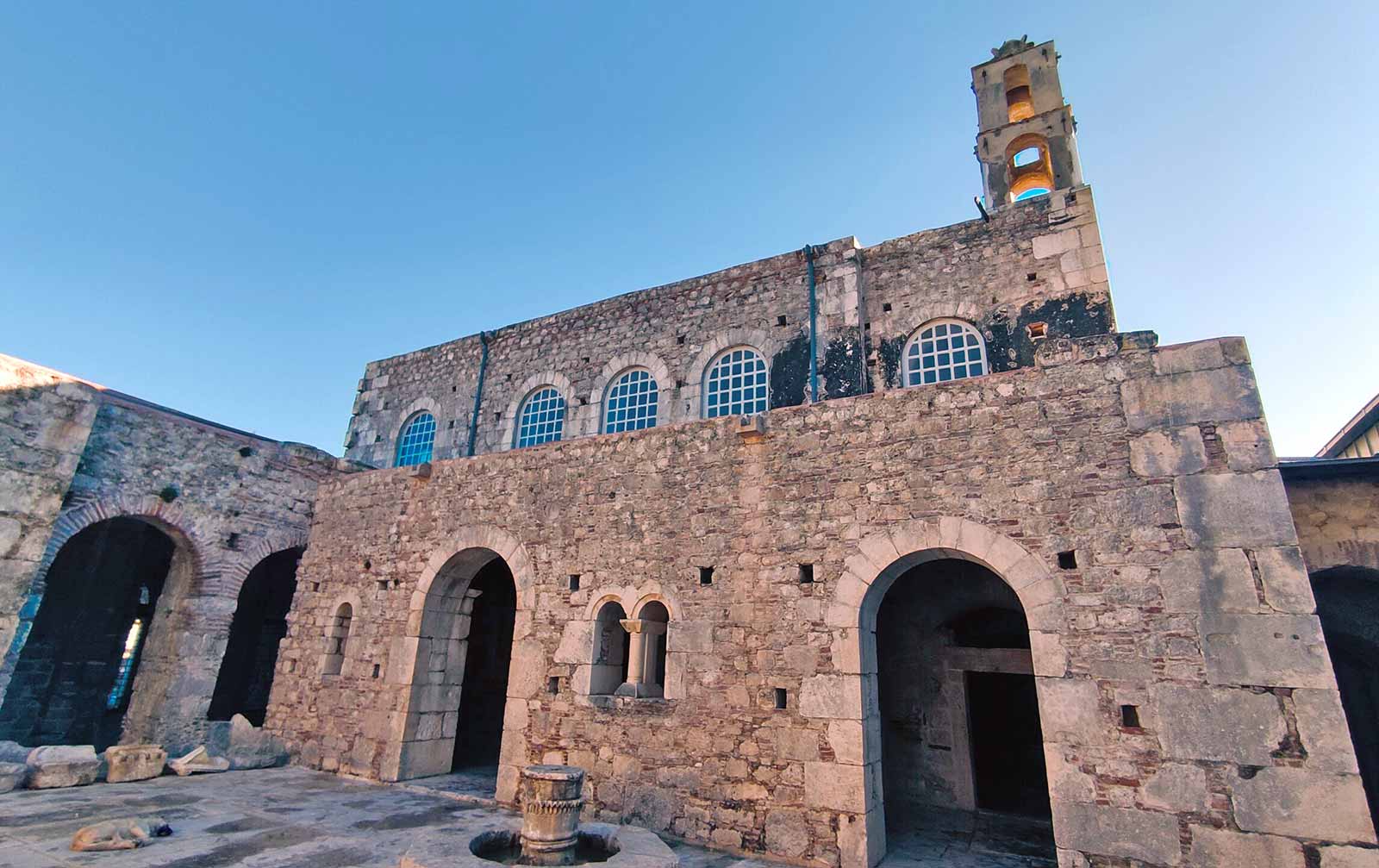
St. Nicholas was born in Patara, Lycia (southern Türkiye) and became the Bishop of Myra (modern-day Demre). He is one of the most beloved saints in all of Christianity and the historical figure behind Santa Claus. Nicholas was famous for his extraordinary generosity — particularly for secretly providing dowries for three poor girls to save them from slavery. He attended the First Council of Nicaea in 325 AD, where he reportedly slapped the heretic Arius in defence of orthodox doctrine. His church in Demre still stands and contains his sarcophagus (though his relics were taken to Bari, Italy in 1087). Nicholas bridges the worlds of apostolic faith and popular Christian tradition — a saint born, lived, and died entirely in Türkiye.
"Whoever is kind to the poor lends to the Lord, and he will reward them for what they have done." — Proverbs 19:17
Significance: Born and died in Türkiye. Bishop of Myra (Demre). Attended the Council of Nicaea. The original Santa Claus.
c. 3rd century AD – c. 287 AD
Saints Cosmas & Damian
Patron Saints of Medicine — The Holy Physicians
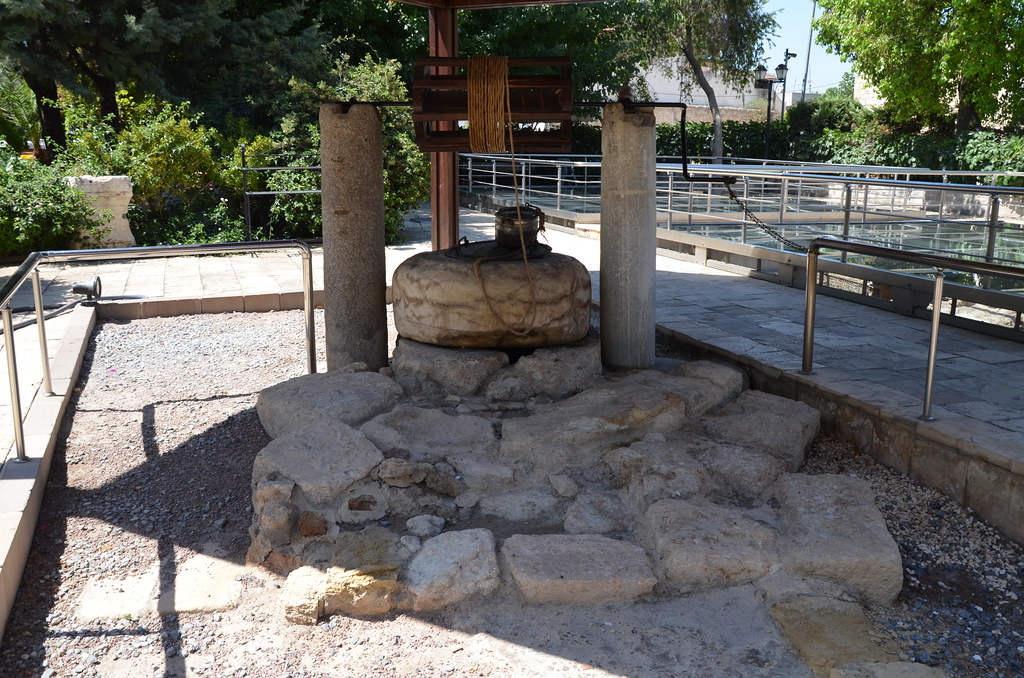
Saints Cosmas and Damian were twin brothers born in Cilicia (southern Türkiye) who became legendary Christian physicians. They practiced in the seaport of Aegeae and became famous for treating the sick without ever accepting payment — earning the Greek title 'Anargyroi' (the silverless ones). Their most famous miracle, known as the "Miracle of the Black Leg," is regarded as the first recorded account of a successful organ transplant in history. During the Diocletian persecution around 287 AD, the brothers were martyred for their Christian faith. They are venerated as patron saints of medicine, surgery, and pharmacy across Catholic, Eastern Orthodox, and Oriental Orthodox traditions. Their legacy connects the ancient Christian heritage of Cilicia to the history of modern medicine.
"Heal the sick, raise the dead, cleanse those who have leprosy, drive out demons. Freely you have received; freely give." — Matthew 10:8
Significance: Born in Cilicia, Türkiye. First recorded organ transplant. Patron saints of medicine. Martyred for their faith.
c. 1st century AD
St. Thecla
First Female Martyr & Equal-to-the-Apostles
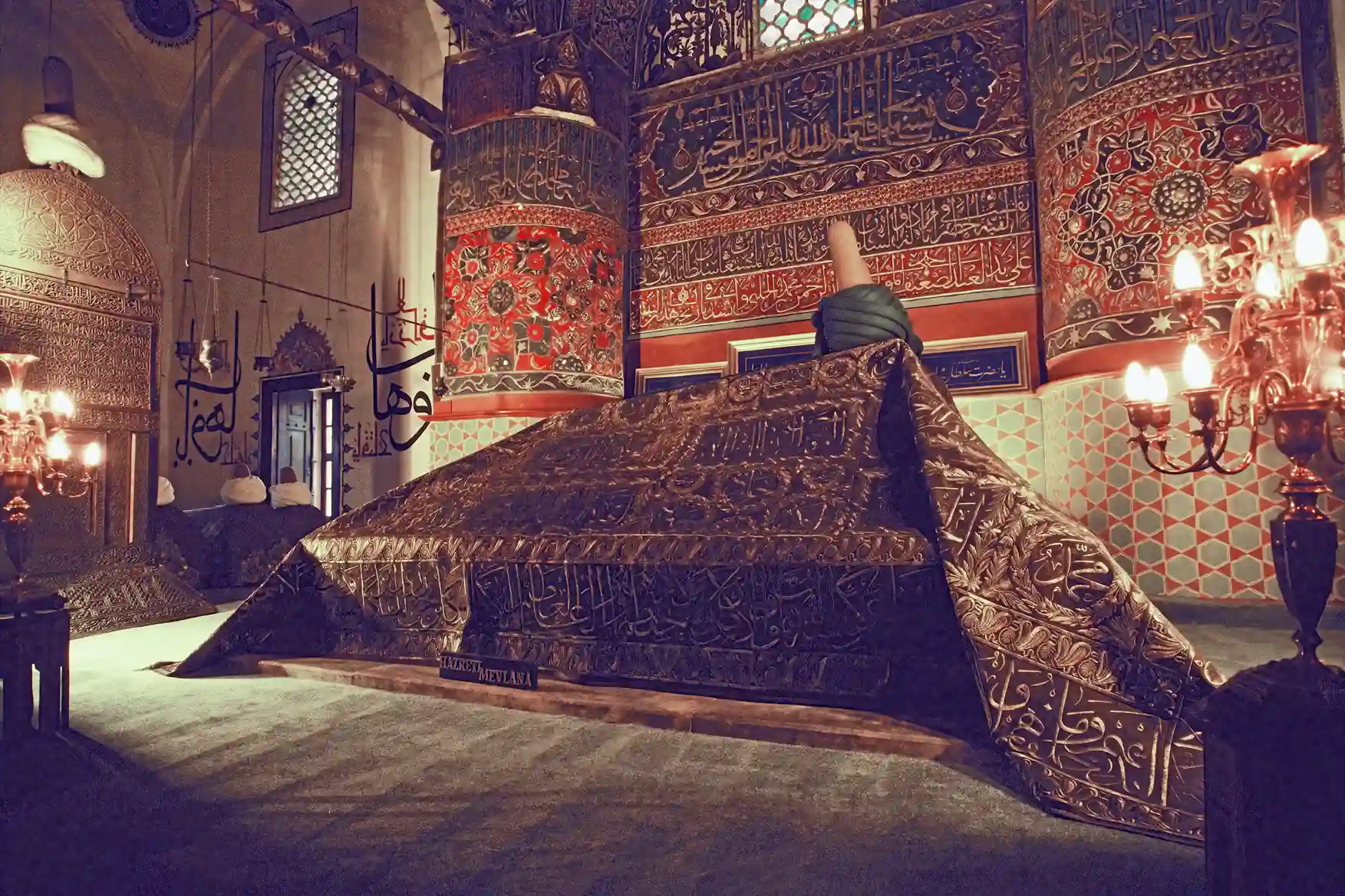
St. Thecla of Iconium (modern-day Konya) is one of the earliest and most revered female saints in Christian history. According to the "Acts of Paul and Thecla," she was a young noblewoman in Iconium who heard Paul preaching and was so moved that she renounced her engagement and devoted her life to Christ. She survived multiple attempts at execution — by fire and by wild beasts — and became a traveling evangelist. The early Church honoured her with the title "Equal-to-the-Apostles" and "First Female Martyr." Her cave shrine near Seleucia (Silifke) in southern Türkiye became one of the most important pilgrimage sites of the early Church. Thecla's story represents the transformative power of the Gospel on the people of Anatolia.
"Blessed are the pure in heart, for they will see God." — Matthew 5:8
Significance: From Iconium (Konya). First female martyr. Title: Equal-to-the-Apostles. Converted by Paul's preaching.

c. 69 AD – c. 155 AD
St. Polycarp
Bishop of Smyrna — Disciple of John
Polycarp was Bishop of Smyrna (modern-day İzmir) and one of the most important figures in early Christianity. He was a direct disciple of the Apostle John and is considered one of the "Apostolic Fathers" — the generation that personally knew the original apostles. Polycarp was martyred at age 86 in Smyrna when he refused to renounce Christ. His famous words at his execution: "Eighty-six years I have served Him, and He has done me no wrong. How can I blaspheme my King and Saviour?" The account of his martyrdom is the oldest surviving record of a Christian martyrdom outside the New Testament. Polycarp's legacy is a living bridge between the apostles and the Church Fathers.
"Be faithful, even to the point of death, and I will give you life as your victor's crown." — Revelation 2:10
Significance: Bishop of Smyrna (İzmir). Direct disciple of Apostle John. Martyred in Türkiye. One of the Apostolic Fathers.
325 AD — The Faith Defined
The Council of Nicaea
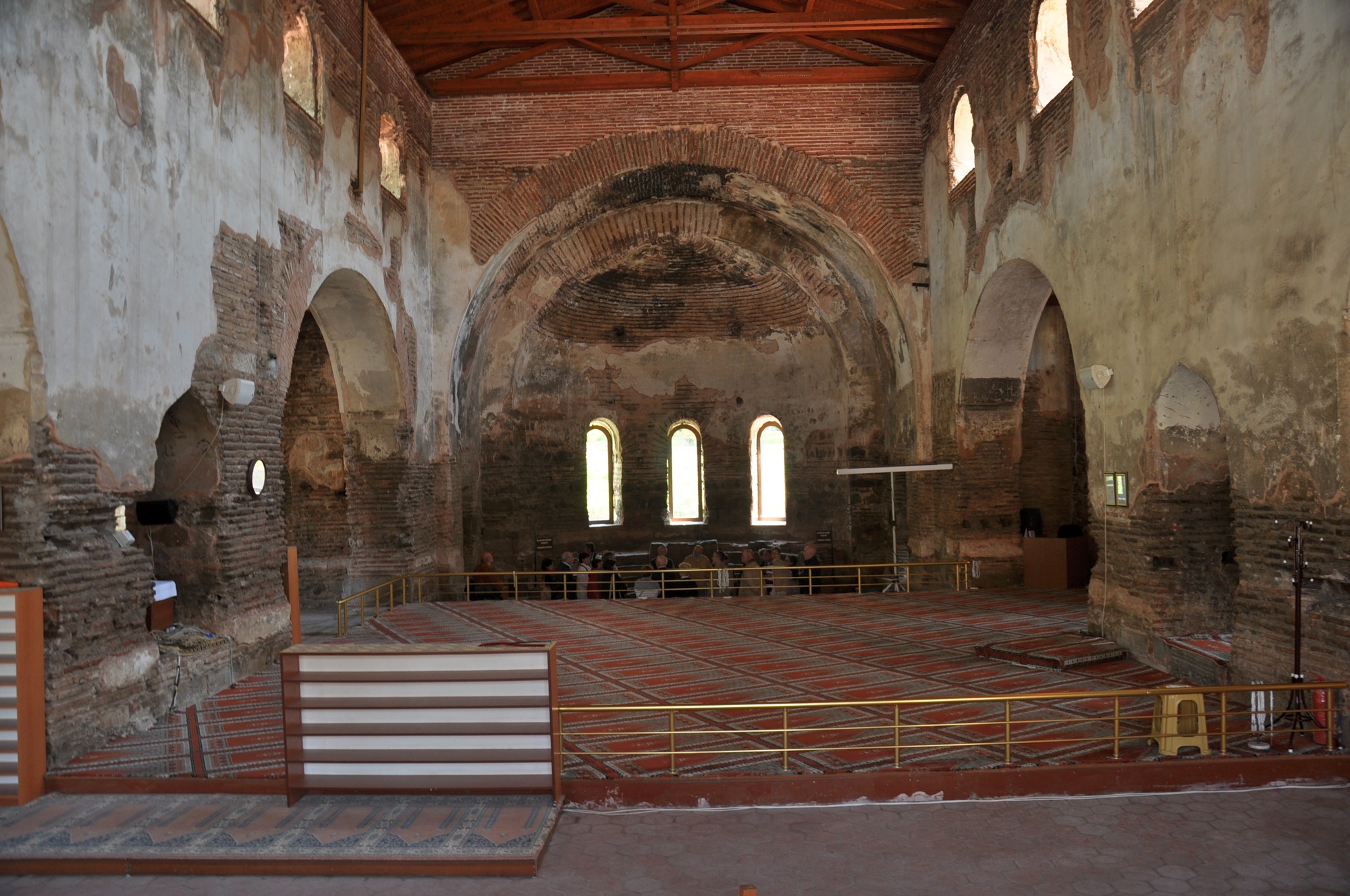
In the summer of 325 AD, Emperor Constantine summoned 318 bishops from across the known world to the small lakeside city of Nicaea (modern-day İznik). There they forged the Nicene Creed — the defining statement of Christian faith still recited by billions today.
Among those 318 bishops was St. Nicholas of Myra himself. The Council condemned Arianism, established the date of Easter, and produced the creed that would unite Christianity for centuries.
On 29 November 2025, Pope Francis visited İznik to celebrate the 1700th anniversary of this historic council — affirming İznik's enduring importance to global Christianity.
Explore All Sacred Sites12+
Apostles & Saints
50+
Cities They Walked
7
Churches of Revelation
5
Ecumenical Councils
Walk Where They Walked
The apostles and saints who shaped Christianity left their footprints across Türkiye. Now it's your turn to follow in their footsteps.